
Conscious Living: What to Eat
Plant-based eating for lower emissions, greener living: choices that start with your next meal
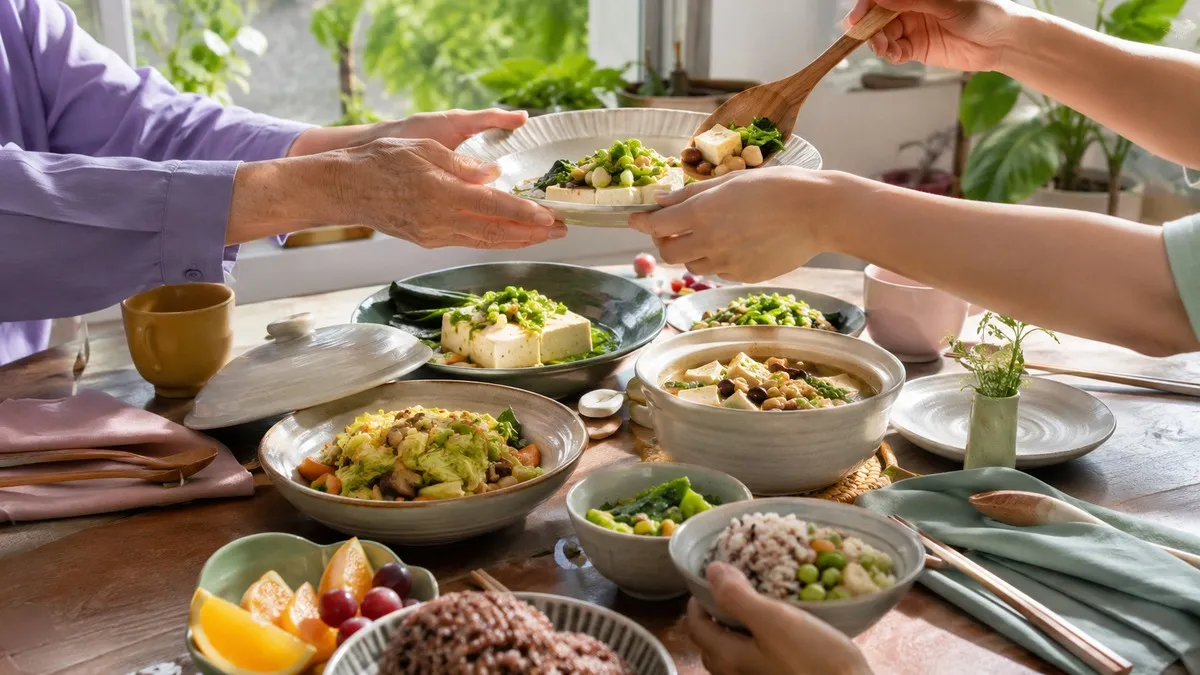
When mealtime comes around, the first things on our minds are usually convenience, taste and price. Hardly anyone stands in front of a lunchbox shop thinking about climate change. That is perfectly normal. Life is busy enough, and a single meal should not become a moral test. But precisely because we eat every day, food turns out to be the easiest place to begin and the place where change adds up over the longest time.
“What to eat” is not only about weight and health; it is also connected to land, water, energy, transport and labour. Before food reaches the table it passes through growing or raising, processing, packaging, refrigeration and delivery. If it is not eaten in the end, all the resources put in beforehand go to waste along with it. When we talk about plant-based eating and lower emissions, the real issue is not guilt over a single bite of meat, but how to make our whole way of eating offer more choices and create less waste.
Plant-based eating does not have to begin with “what you can never eat again”. You can start with one or two more plant-based meals a week, getting to know seasonal vegetables and fruit, beans and local ingredients. Some people do it for health, some for the environment, and some simply want to try new flavours. The reasons do not have to be the same; what matters is finding an approach that fits into daily life and can be kept up. One big push often achieves less than a steady year of small ones.
Green eating is also not about buying something the moment we see the words “natural” or “friendly”. Where do the ingredients come from? How do the producers farm? Is the packaging excessive? Does the price give farmers and workers a fair return? These questions may not always have complete answers, but a willingness to look a little closer lets the market know that consumers care about more than just low prices.
More basic than choosing which food to eat is finishing the food we have. Check the fridge before shopping, prepare according to the number of people, adjust portions when eating out, store leftovers properly and plan them into the next meal. These practices carry no glamorous labels, yet they come closest to reducing waste at the source. Food that is thrown away is not just kitchen waste; it also represents land, water and human effort that cannot be recovered.
Of course, every household differs in health needs, budget, culture and access to ingredients. Sustainable eating should not become a status symbol for those with resources to spare, still less a way to criticise other people’s tables. Restaurants, retailers, schools, businesses and government all have a responsibility to offer choices that are affordable, transparent and convenient.
The Vision Association does not offer a standard answer for everyone to follow. What we advocate is eating consciously: knowing where food comes from, valuing every resource that reaches the table, and being willing to use our choices to support better production.
The next meal does not have to be perfect. One more vegetable dish, one less instance of waste — that is a start. What changes our lives has never been how correctly we eat at a single meal, but the extra step of thought we are willing to take each day.