For Your Family: Legacy
What we pass on to the next generation is more than property
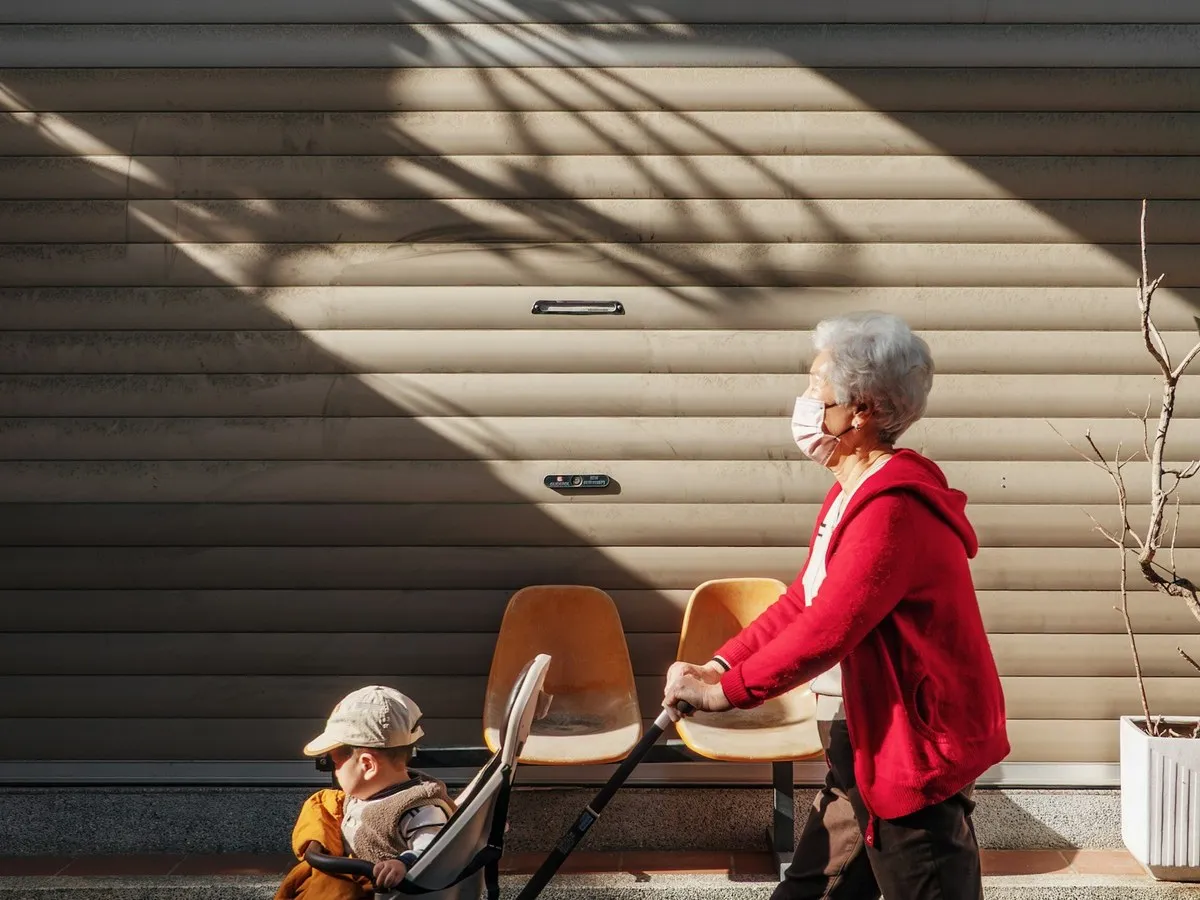
What a family passes down often isn’t kept in a safe. It lives in the habits around the dinner table, in how we face difficulty, and in how we treat those weaker than ourselves. Children may not remember how many lessons the adults recited, but they remember whether the family ate together properly, and whether a broken thing was repaired or thrown away. They also notice how their parents talk about work, money, elders, and the world.
This is what the Vision Association means by “legacy.” It does not mean handing the previous generation’s answers to the next one untouched, and still less does it mean using “it’s for your own good” to make a child walk the same road. What we pass on is experience, ability, and values, while allowing the next generation to reinterpret, to choose, and even to do things differently from us.
Families today face more complicated questions than before. Fewer births, an ageing population, caregiving pressure, climate risk, and a fast-changing work environment all make “taking care of the family” harder. Some parents are busy building up assets for their children but have no time to help them build life skills. Some adult children want to care for ageing parents while carrying the weight of work and money worries. The love is always there; it is just that reality often leaves no room to say it out loud.
So what a family needs to pass on is not only thrift and hard work, but also communication and the willingness to ask for help. Let children know that resources are limited, so they must learn to choose. Let elders know that needing assistance does not mean losing dignity. Talking together about household spending, health care, and living arrangements may seem unromantic, but it prevents a great deal of panic when something happens without warning. Much of the hurt in families comes not from an absence of love, but from everyone assuming the other side already knows.
Sustainable living can also start at home, but it need not become another exhausting set of rules. Eating one more plant-based meal, valuing leftovers, carrying a shopping bag, passing on things you no longer use — the point is not who does it most correctly, but helping children understand that resources do not appear out of nowhere, and convenience is never without cost.
More important still is passing on the capacity to care about others. When a child sees family members willing to spend time with elders, support the community, and help strangers, what they learn is a way of understanding the world, not just the memory of one charity event. It becomes a measure they carry inside them when making decisions later in life.
We cannot arrange the whole future for the next generation, nor can we clear every storm from their path in advance. What we can do is give them the ability to face change, the knowledge that they are not alone, and the understanding that when they are able, they should reach out and catch someone else.
Legacy lets good values flow from yesterday into tomorrow. When a family is willing to share experience, resources, and love, what it leaves behind is not only the memory of one household, but also the confidence the next generation needs to change the world.