
For This Planet: Coexistence
What we need is not to save the planet, but to learn how to live again
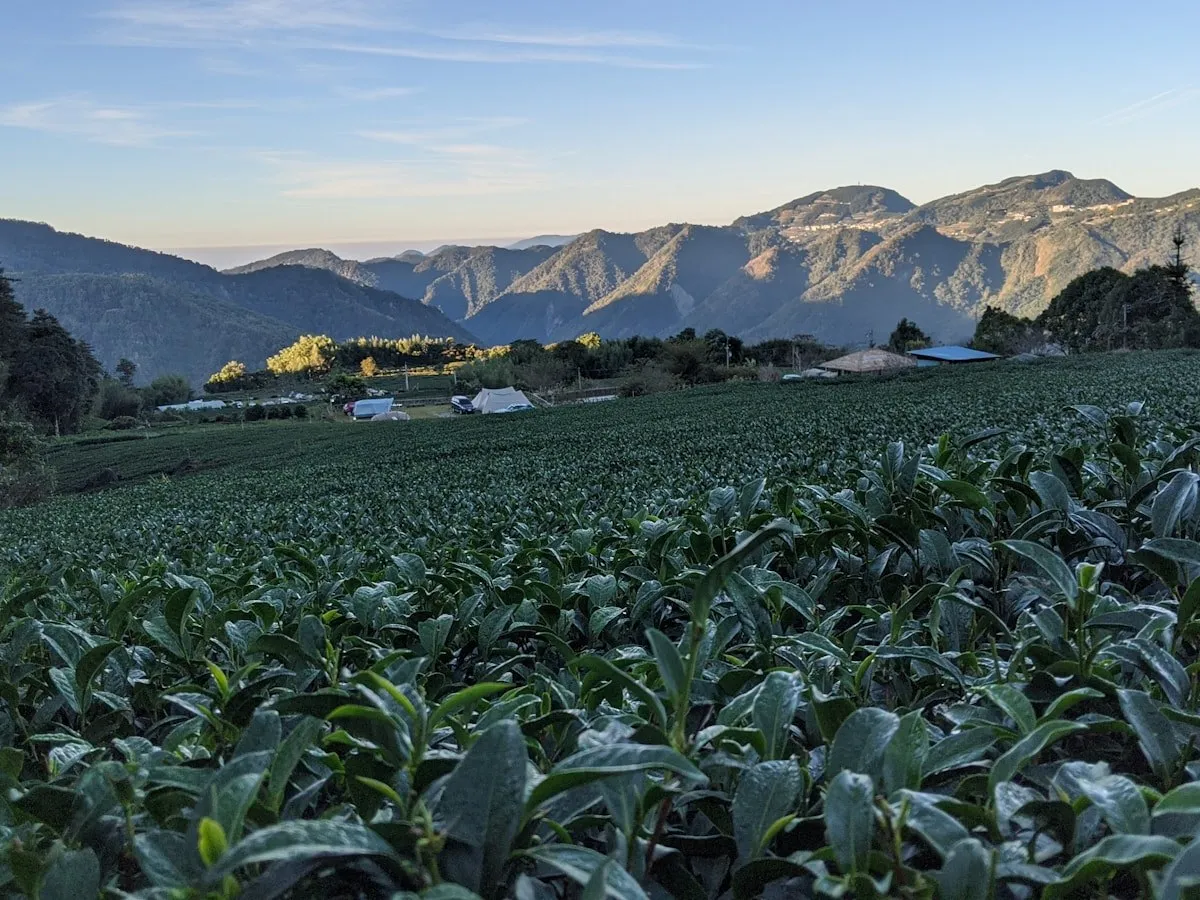
The Earth will not suddenly be saved because humans use a few less plastic bags, nor will all our problems disappear on their own because we plant a few more trees. Conversations about sustainability tend to fall into one of two extremes: one places the entire burden on individuals, as though every climate disaster began with someone forgetting to turn off a light; the other holds that unless systems change, nothing an individual does matters. Both positions are convenient, and both are incomplete.
When the Vision Association speaks of “coexistence,” we begin by acknowledging that our food, water, energy, and every product we use come from the same environmental system. Nature is not scenery placed far away for us to admire, and humans are not managers standing outside the Earth. We are inside it, and every choice we make eventually returns to our own lives.
Extreme weather, water shortages, failed harvests, and swings in energy prices may look like separate news stories, but they are often linked. Environmental problems have never affected only plants and animals. People with fewer resources, poorer housing conditions, or work that depends heavily on the climate are usually the first to feel the impact and the least able to move away from it. Coexistence, then, cannot be only about reducing carbon; it must also be about fairness.
This does not mean individual action is meaningless. Wasting less, choosing durable goods, cutting back on single-use consumption, and paying attention to where our energy comes from are all signals that shift demand. But we cannot leave consumers to carry the responsibility alone. Governments must establish clear rules and public infrastructure; businesses must disclose and reduce the impact of their products from raw materials through production to disposal; and individuals, through everyday choices and public participation, can press for systems to move forward.
Coexistence also does not ask everyone to retreat to an age without technology or convenience. The question is not whether we can develop, but who bears the cost of development, who receives the benefits, and whether today’s convenience is drawing down the choices available to the next generation. Technology can improve efficiency, but if it only allows us to consume faster, it may be solving only the surface of the problem.
We need to rethink what “enough” means. Enough is not scarcity; it is knowing what genuinely improves life and what merely fills a desire for a short while. It gives us the capacity to pause before buying, to think one step further before throwing something away, and to be willing to pay a reasonable price for more responsible ways of producing.
No one can complete the sustainability transition alone, and no generation can leave the full cost to the one that follows. At the heart of coexistence is placing people with one another, people with society, and people with nature back into the same picture—recognising that we depend on each other and share the responsibility.
We are not doing a good deed for some distant planet. We are deciding how the people of the future will breathe, eat, work, and live. The Earth may not need humans to save it, but we do need to learn how to make our own lives without harming the home we share.