When a child says, “Now I can have classmates over,” it may sound like a remark about a tidier room. What they are really saying is that they finally have a home friends can see, and that they themselves can use with ease.
Living quality is not only about how many ping a house has. Whether there is a regular place to sleep, whether a backpack and textbooks can be found, whether there is a desk for homework, and whether guests can sit without first clearing things off chairs and beds—these are the conditions that let daily life unfold.
Disorder becomes concrete inconvenience
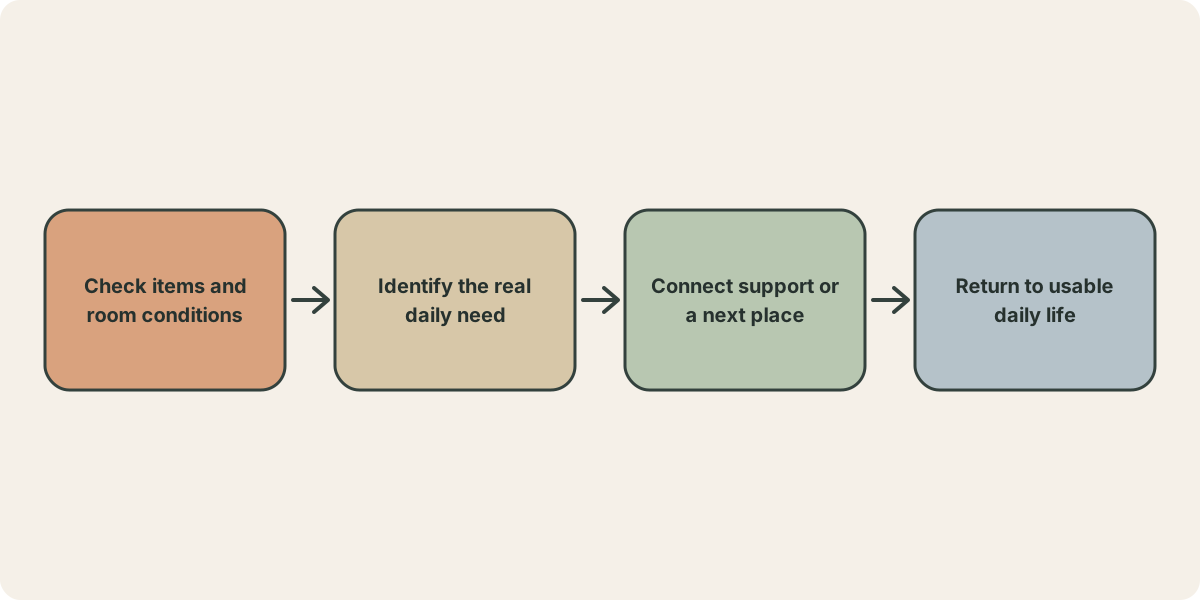
In one four-story home, three children once had no rooms of their own. Which floor they slept on, and where their things were kept, kept changing, so backpacks ended up beside the dining table. After the home was organized, the family’s belongings were gathered again, and the children finally had clear places to sleep, study, and put things away. This was not merely about making the house look nicer. It was about making everyday life no longer depend on constant searching and moving.
In another example, a child’s toys went into clear boxes with labels, and the study area was separated from the sleeping area. The point was not to make the child perfectly tidy, but to let them see where things belong and take part in their own daily life.
A home also has an outward-facing function
Children care whether classmates can come over because a home is not only a place to take shelter and sleep. It is also where they make friends, share interests, and are understood by peers. When shared spaces are filled with belongings, or a room has no corner where people can sit and talk, a child may choose not to invite anyone—and may never say why.
One homeowner recalled envying classmates who had clean rooms and desks throughout childhood. After organizing their own home as an adult, what they most wanted was to be able to host friends. These accounts are personal experience and are not enough to infer a child’s psychological state, but they remind us that limits of space are remembered for a long time.
Do not hand a systemic problem to the child
Children can learn to put things back, tidy toys, and take part in decisions about their own belongings. How rooms are assigned, how furniture is arranged, how much comes into the household, and what is allowed to leave remain, mainly, powers that adults hold. It is not fair to ask a child to keep order when they have no bed surface, desktop, or cabinet to use.
Some families are also facing caregiving, illness, work, or financial pressure at the same time. These difficulties do not vanish after one round of organizing. When we talk about living quality, what matters is not placing the burden on a single parent or child, but looking at what support can help a family recover the basic functions of daily life.
Start with one usable place
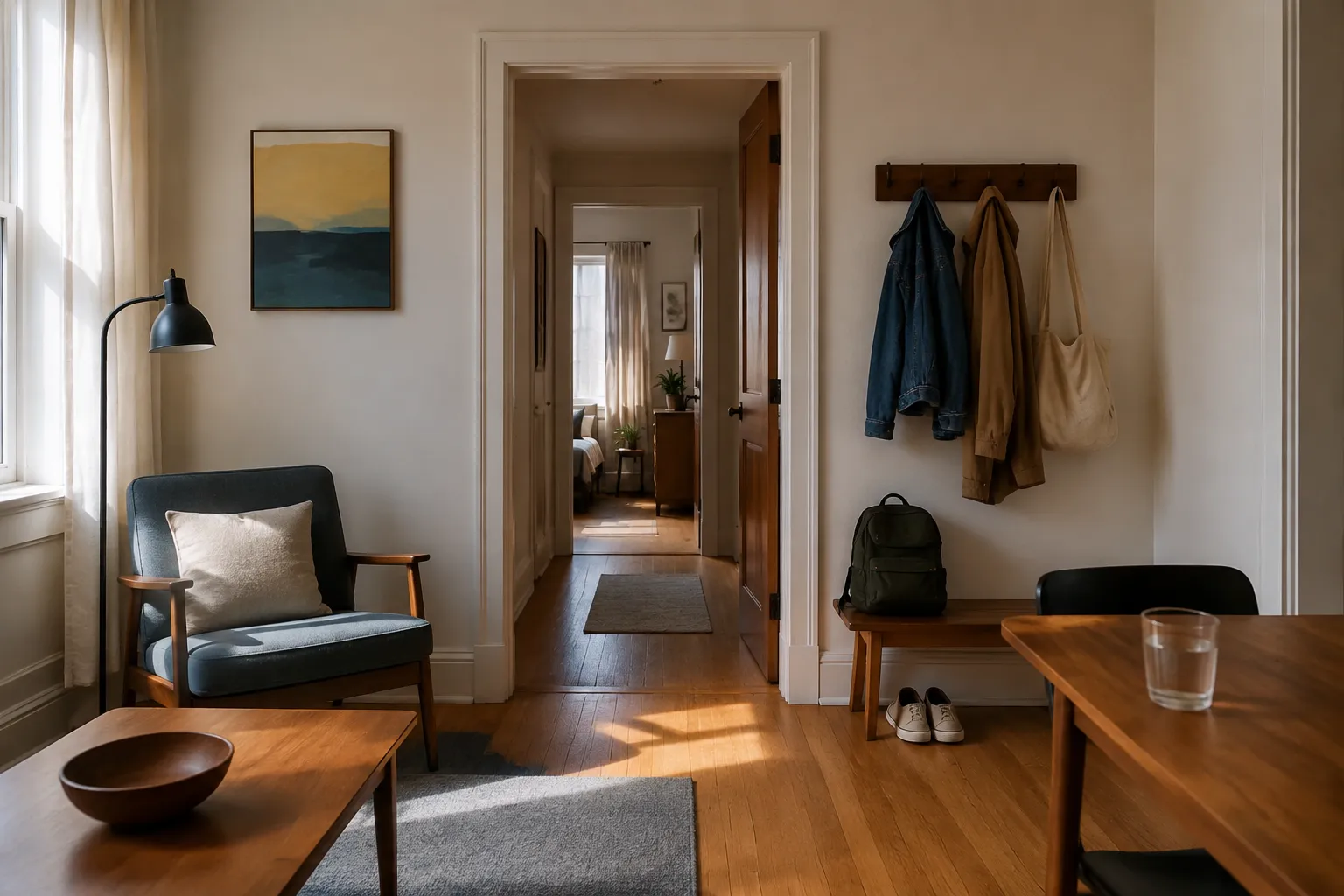
“Being able to invite friends home” need not mean having beautiful décor. Clearing a chair someone can sit on, a table someone can write at, and a walkway someone can pass through safely already preserves a child’s chance to connect with others.
A home does not have to be perfect to be worth a friend’s visit. It only needs enough space so that the people who live there need not feel they have to hide their own lives. Whether a child dares to bring a classmate home may be a simple, yet honest, question to ask when we look at living quality.
Source: Liao Hsin-yun’s Facebook page (content compiled and adapted)