Organizing is often treated as a personal skill: learn to sort, buy the right storage, spend a weekend, and things will improve. But when the volume of belongings already exceeds what a person’s physical strength and time can handle, that assumption leaves those who most need help feeling even more defeated.
Some people are facing belongings left after long-term caregiving. Some have just gone through bereavement, illness, a business closure, or a move. Others, because of their physical condition, cannot bend, lift, or make decisions. For them, organizing is not home aesthetics; it is a question of whether they can walk safely, rest, and keep daily life going.
Not Everything Can Be Done by Learning on Your Own
A home piled with belongings for years may need several people, coming in over multiple visits, just to clear the doorway and basic pathways. Large furniture, excess paper, and clutter of unknown condition may also require help with hauling, sorting, and moving. Requiring the occupant to get everything done first before help can be given only places the threshold at the hardest point to cross.
Professional organizing should not be put on a pedestal. What it can offer is accompaniment in taking inventory, help with sorting, arranging pathways, and connecting items to suitable destinations; final decisions should, as far as possible, remain with the owner of the belongings. What truly matters is that when someone cannot start on their own, there is someone who can help break the work into steps they can complete.
Caregiving Pressure Often Hides Behind the Belongings
One family member only had the energy to deal with years of accumulated belongings after long-term caregiving had ended. In another household, piled-up items were interwoven with family health, relationships, and financial pressure—not something a simple “just throw it away” could solve. These cases do not mean that all clutter comes from caregiving, but they remind us: difficulties in the living environment are often the outward face of other difficulties.
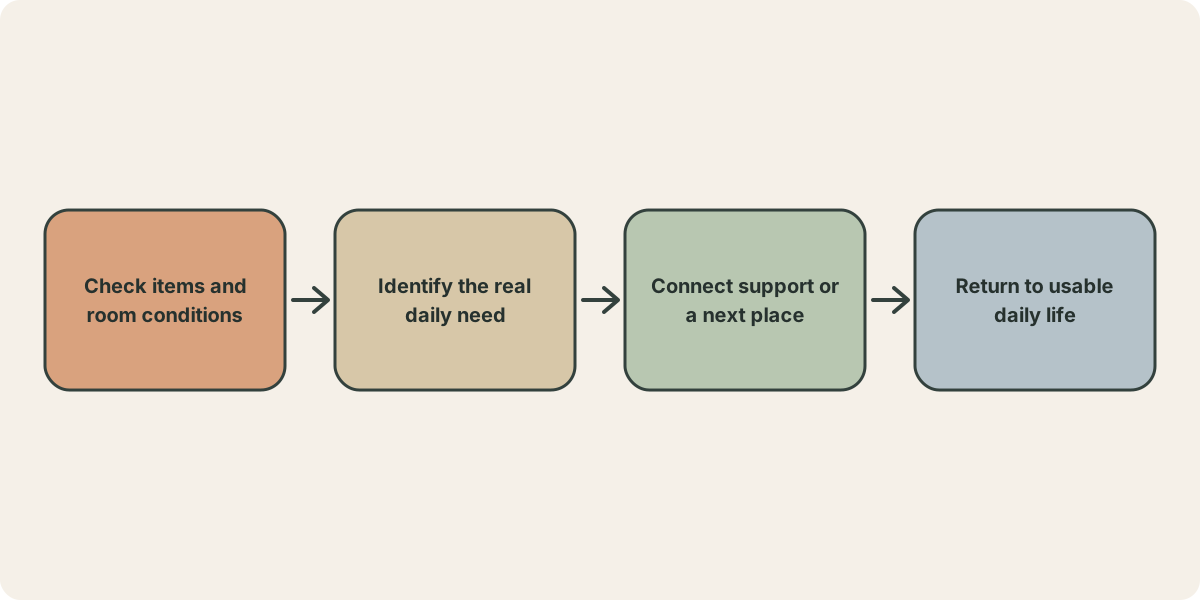
If we see the occupant only as someone who cannot organize, we easily miss what they are already bearing. From a support perspective, the first step may not be to demand organizing, but to check whether they have someone they can turn to, whether they can move about safely, and which items need to be handled first.
Accessibility Includes Price, Information, and Dignity
Whether a service can actually be used is not only a matter of price. Whether information is easy to find, whether someone is willing to come to the home, whether the process is clearly explained, and whether the service provider can understand a family’s culture and right to choose all affect whether a person is willing to seek help. People with fewer financial resources, who live alone, or who carry a heavy caregiving burden often need assistance the most, yet are the least able to bear the cost and the effort of communication.
Communities can start with smaller forms of support—for example, providing information on sorting and hauling, setting up a trusted handover channel, arranging volunteer accompaniment, or referring people to existing social welfare resources. This does not mean handing all responsibility to volunteers; it means recognizing that housing safety needs many kinds of support working together to catch people.
Organizing Is About Returning Life to a Workable State
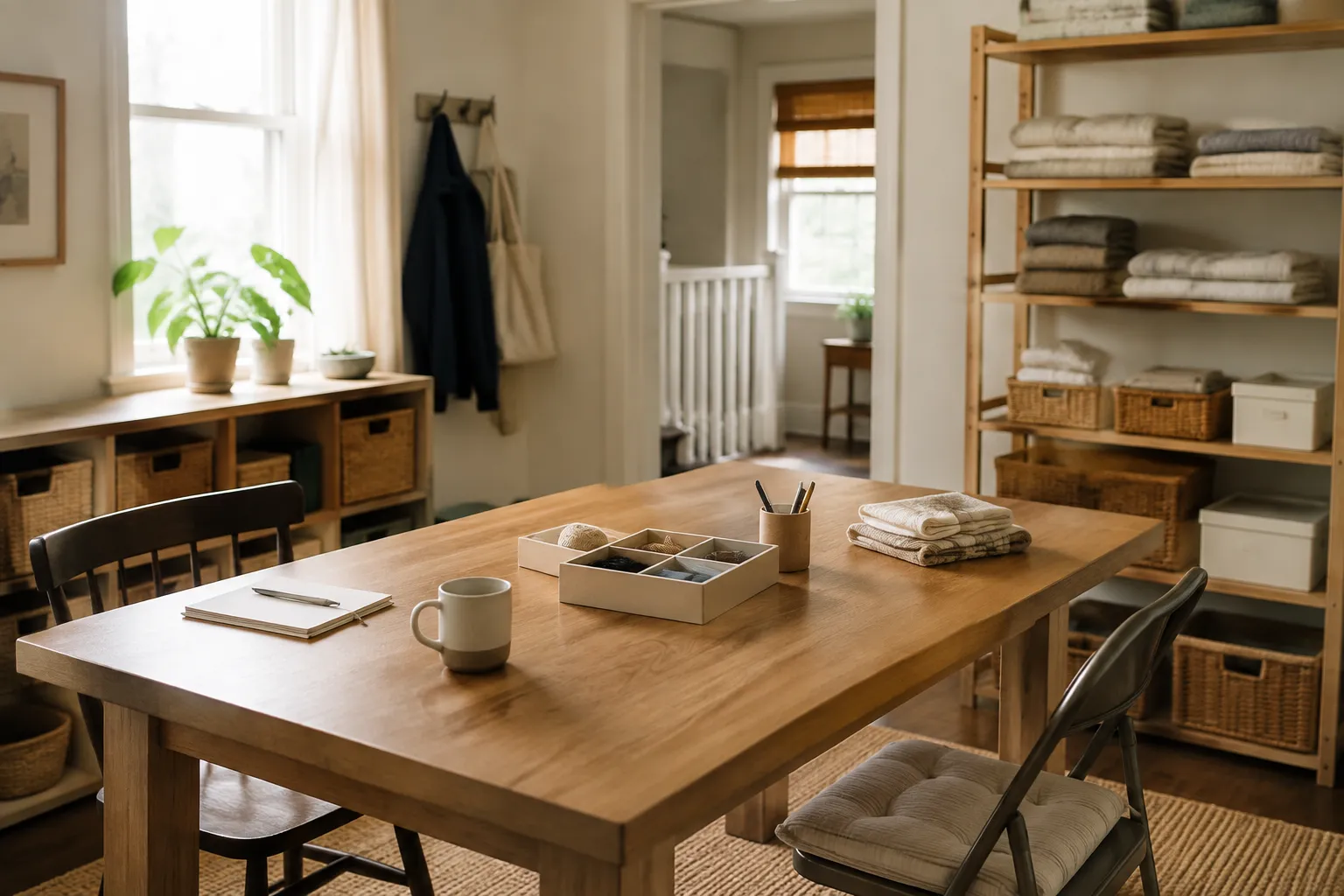
For some people, simply clearing the bed, the dining table, or a walkway is already a major change. Accessible assistance should respect that pace, rather than treating “getting everything organized in one go” as the only measure of success.
When we treat organizing as part of maintaining the functions of daily life, we see that it should not belong only to those with ample time, sufficient physical strength, or the ability to pay. Giving everyone a chance to live in a safer, more usable space is a matter of everyday fairness that sustainable living should also take to heart.
Source: Liao Hsin-yun’s Facebook page (content compiled and adapted).