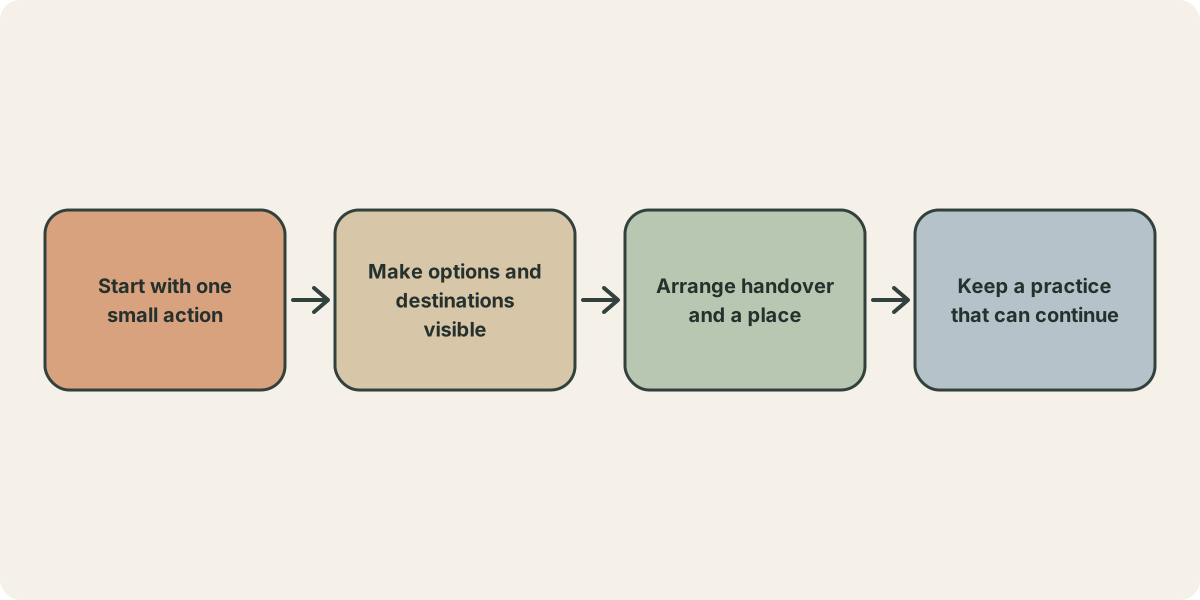
If organizing at home is always left to the person with the strongest sense of responsibility, it may look efficient on the surface, but fatigue and resentment tend to build. Some people say they keep tidying up alone, then get angry when family members leave things wherever they please. The problem is not only who prefers order more. It is that the household has never designed the upkeep of space as a responsibility that can be shared.
Participation does not happen just because someone says, “Let’s all do this together.” People need to know what they can do right now, whether finishing it will make a difference, and that their belongings and way of living will not be decided arbitrarily by others.
Completion Has to Be Visible Before Anyone Will Do It Again
One homeowner said they give up after ten minutes of organizing, because tidying and not tidying look no different. Others stay up late cleaning and still see no improvement. When a task is so large that the finish line is out of sight, a sense of responsibility can drive the first attempt, but it rarely drives the tenth.
Breaking a large project into small areas that can actually be finished changes the experience. In one four-story home, several people organized the space over six sessions, completing one area each time. This does not mean every household needs the same scale of manpower. It shows that being able to finish something in one go lets people see results, and gives them more energy to return to the next step.
Keep Rules Short, and Make Places Easy to See
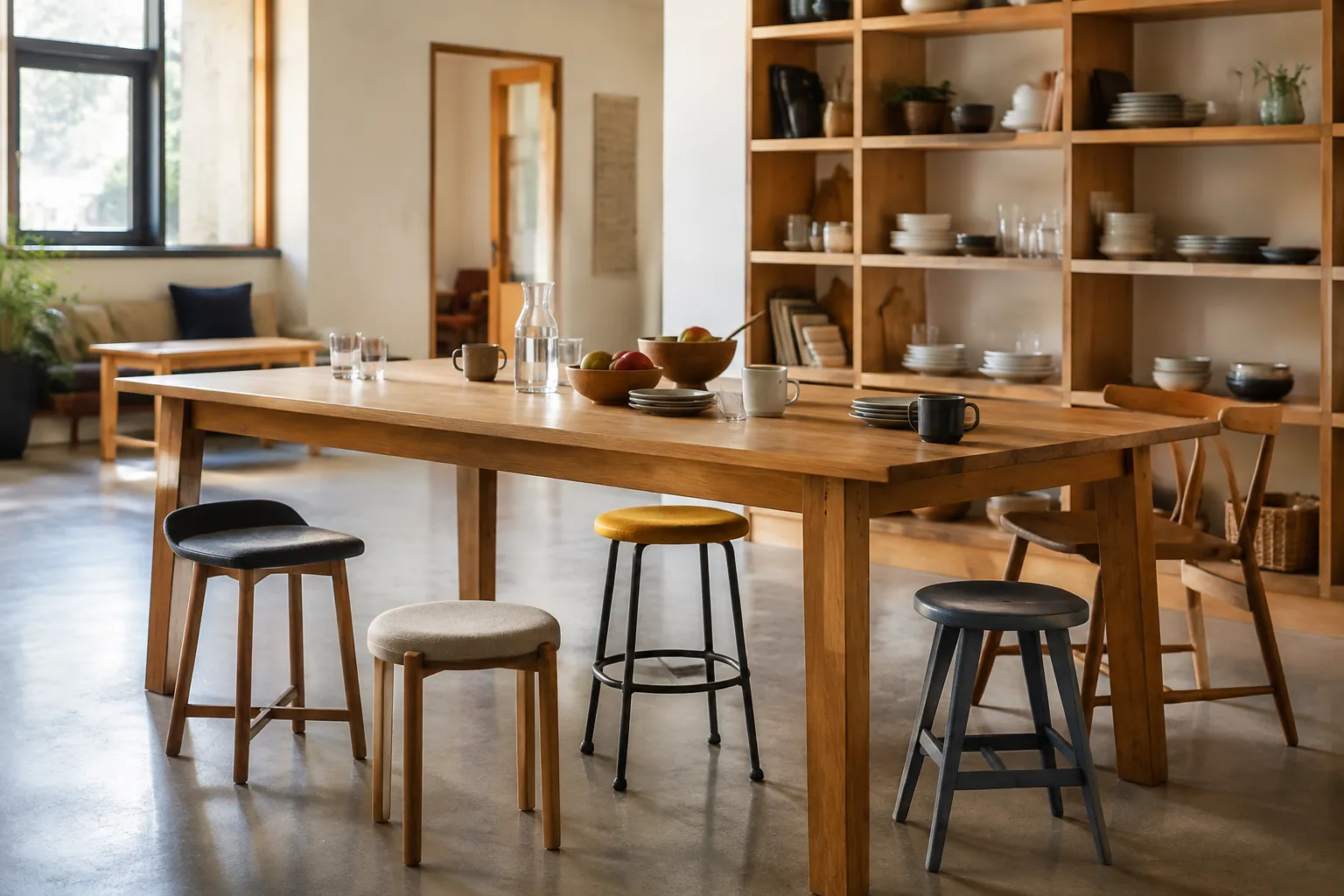
Some families have agreed on three principles together: put things back after use, give every item a fixed place, and do not buy another item that does the same job. When there are not too many rules, they can actually be remembered. Putting a child’s toys in a clear storage box with a label is not about controlling the child; it is so the child can see what is inside and where it belongs.
These arrangements lower the barrier of “I don’t know how to do this.” Family members do not need organizing expertise before they can put an item back. As long as the place is visible along the flow of daily life, participation has a chance to become a habit.
Accompanying Someone Works Better Than Handing the Problem Back
A treadmill that had seen little use for years was something the homeowner could never quite let go of. Only when the family stopped merely urging and instead took it apart and moved it together did the father’s attitude begin to change. Resistance is sometimes not unwillingness, but a lack of physical strength, method, or the emotional readiness to face an ending.
This does not mean anyone should make decisions for someone else. Accompanying someone can mean assessing together, contacting a destination together, helping to move something, or sitting nearby while the other person explains why it is hard to let go. Keeping a person in the process builds cooperation more than handing the responsibility back to them.
Participation Also Needs Boundaries on the Right to Decide
An older family member, facing repeated urging from the family to organize, felt that even the one remaining room was being supervised. Later, the starting point was shifted to safety and circulation, and she was allowed to decide for herself which items to keep. Only then did things have a chance to move forward. This is a reminder: participation does not mean everyone gets a vote on someone else’s belongings.
The same principle also applies in a community. For residents to keep taking part in reduction, exchange, or recycling, the work has to be cut into a reasonable scope, contributions have to be made visible, and a few enthusiastic people should not be left giving one-sidedly over the long term. When a second person and a third person can each find a place of their own, the effort no longer rests on one person alone.
Source: Liao Hsin-yun’s Facebook page (content compiled and adapted).