Organizing a room is often not finished once things have been moved out. Every item requires a decision: keep, give away, repair, recycle, or set aside for now. Each of those decisions may also touch a family member’s memories and daily habits. When someone is finally willing to begin, what they need most is not necessarily more opinions, but an environment that will not make them shrink back at once.
What most easily appears in a family, however, is a remark that sounds offhand: “You should have organized this long ago,” “What’s the use of hiring someone,” “You just buy too much.” The speaker may not mean to hurt anyone, but the person doing the work may hear that they have gotten it wrong once again. For things to be properly put in order, the relationship also needs a little room for support.
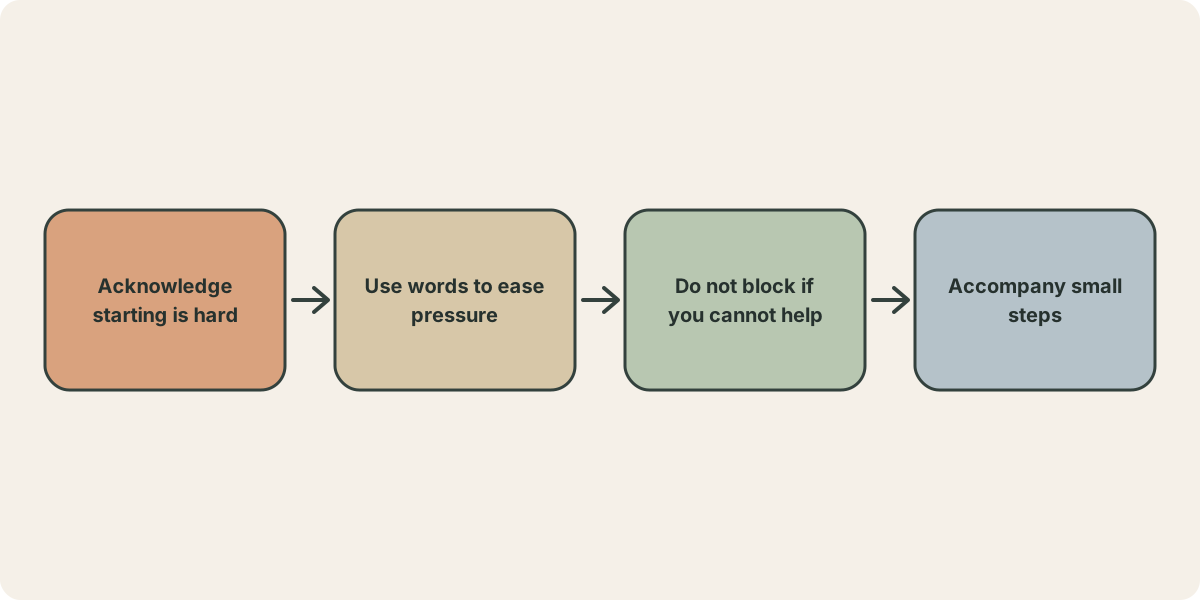
Starting to organize is itself not an easy decision
A mother finally decided to deal with the master bedroom closet. She had prepared sorting bags and set aside a stretch of time, but just as she began, a family member said it would be faster simply to take black garbage bags and throw everything out. The remark sounded like an offer of efficiency, yet it overlooked how long it had taken her to be willing to face the process.
Behind a pile of clothes there may be the sting of things bought and never worn, a change in body shape, a shift in role, or a stretch of life one would rather not revisit. Organizing is not about doing things slowly; it is about letting the person reclaim a little agency in daily life without being humiliated. When someone is just beginning to try, what is most fragile is often not physical stamina, but the confidence of “Can I do this?”
So rather than judging why they did not get it done in the past, what matters more is acknowledging that they are doing it now.
A single remark often weighs more than the speaker realizes
Doing the organizing takes time, and it also means living with the results. Sorting something wrongly, regretting what was given away, or finding that family members disagree can all bring a person to a halt. A comment, by contrast, takes only a few seconds, and the person who made it usually does not have to take over what follows.
This imbalance is common in families. A child’s remark that “Mom always buys too much” can make a mother who was willing to organize feel labeled. An elder saying “We never needed anyone’s help before” can make asking for help feel embarrassing. The point is not to find who meant the most harm, but to see the effect: when change is treated as evidence of failure, it becomes even harder for anyone to speak up next time.
Family members do not all have to put in the same amount of labor, but they can at least refrain from undoing someone else’s effort. That is a very basic form of care in shared life.
If you cannot help, at least do not push the person back to square one
Some people truly do not have the time, energy, or know-how to join in the organizing. That need not become guilt, nor does it mean they can only stay far away. The smallest support is sometimes simply not standing by and saying no, so the person doing the work can finish a stretch of it.
If you are willing to do a little more, you can ask more specifically: Shall I help you move this box? Where would you like these things to go first? Can I go with you to the recycling point? A concrete question is more likely to get a response than “Just say if you need anything,” because it lowers the burden on the person seeking help of having to explain everything again.
It is also important not to reverse the results of organizing without consent. Someone moves furniture to improve the flow of movement, only to find it put back the next day. Someone clears things out, only to have family members quietly pick them up again. These actions may come from unease, habit, or not wanting to let go, but they all leave the person who did the work feeling that their decisions were not respected. If there are doubts, setting things aside and talking first does more to keep trust than reversing them afterward.
Accompanying someone can break a large project into small, doable tasks
Some resistance is not unwillingness to change, but not knowing how to start, or finding it simply too much to do alone. One household kept meaning to deal with things left behind after a business closed, but always stayed where they were. Later, the family stopped merely telling the elder to handle it, and instead took things apart and moved them together, then sent the recyclable parts away. The problem was not solved once and for all, but a process that had been stuck began to move.
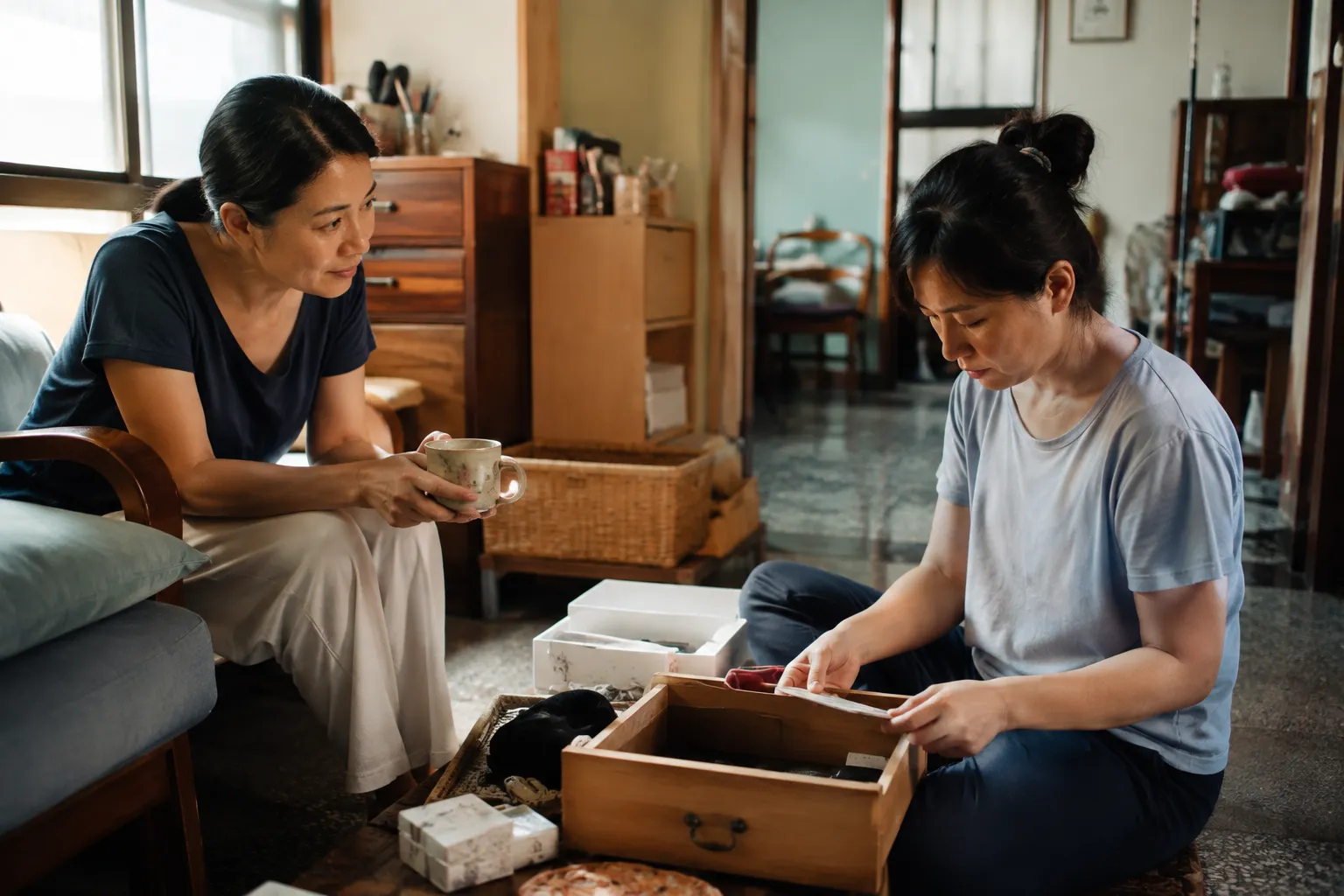
Accompanying someone need not be a major production. You can start with half an hour, one drawer, or one bag of clothes. You can first sort things into still in use, needs asking about, and can be handed to someone else. After a small range is finished, the person involved can see the change more clearly, and is less likely to be overwhelmed by the scale of the whole room.
The process of putting things in proper order often needs more than the ability to sort. It also needs someone willing to walk together to the next stop. That companionship is what turns reuse, donation, or recycling from slogans into choices that can actually be made in daily life.
Let support become a language the household can practice
Support does not have to be said beautifully. A “You’re doing well,” a glass of water, or helping carry bags to the door can all let someone know their effort is not being mocked. Conversely, if you want to offer a different view, you can first ask whether they want advice, rather than taking over the decision just as they are starting.
Organizing will happen again and again, and things may also return to where they were. That does not mean the earlier effort was meaningless. Life will keep bringing in new things and creating new needs. What usually lets people keep going is not a one-time clear-out, but a family willing to bring the problem into the open, and not to rush to dismiss it when someone is doing the work.
Whether a home can slowly become more livable depends not only on who does the most, but also on whether others can keep that effort from being worn away. A little less commentary, and a little more help that can actually be carried out, is a very practical form of shared care.
Source: Liao Hsin-yun’s Facebook page (content compiled and adapted)