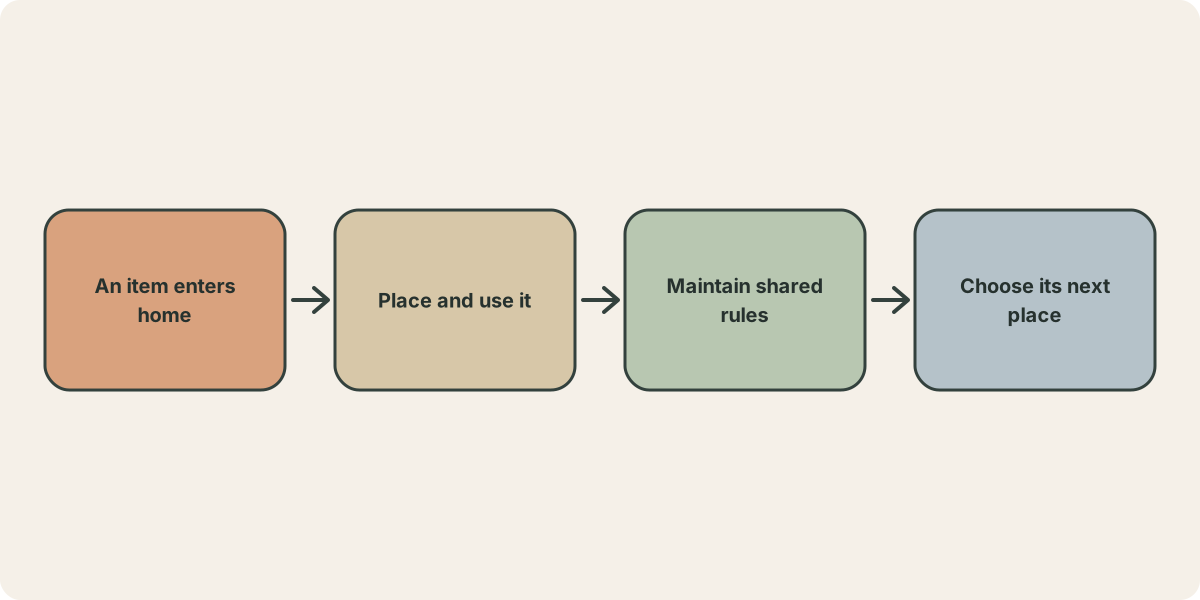
A handsome bag, a finely made watch, or a set of solid-wood table and chairs is often treated, at the moment of purchase, as an investment in daily life. Once the item is through the door, though, life sometimes does not become easier. Instead, a new set of rules appears: do not scratch it, do not stain it, do not let the children break it. So it is put away in a cabinet, or becomes a reason family members keep reminding one another.
By contrast, after a meal, a performance, or a trip ends, the memory remains, but the household inventory does not grow. This is not to cast experiences as more noble, and still less to encourage spending more in any form. It is to return to a question that is often overlooked: when we choose an item, have we counted the days after it enters our lives?
An item is not finished once it is bought
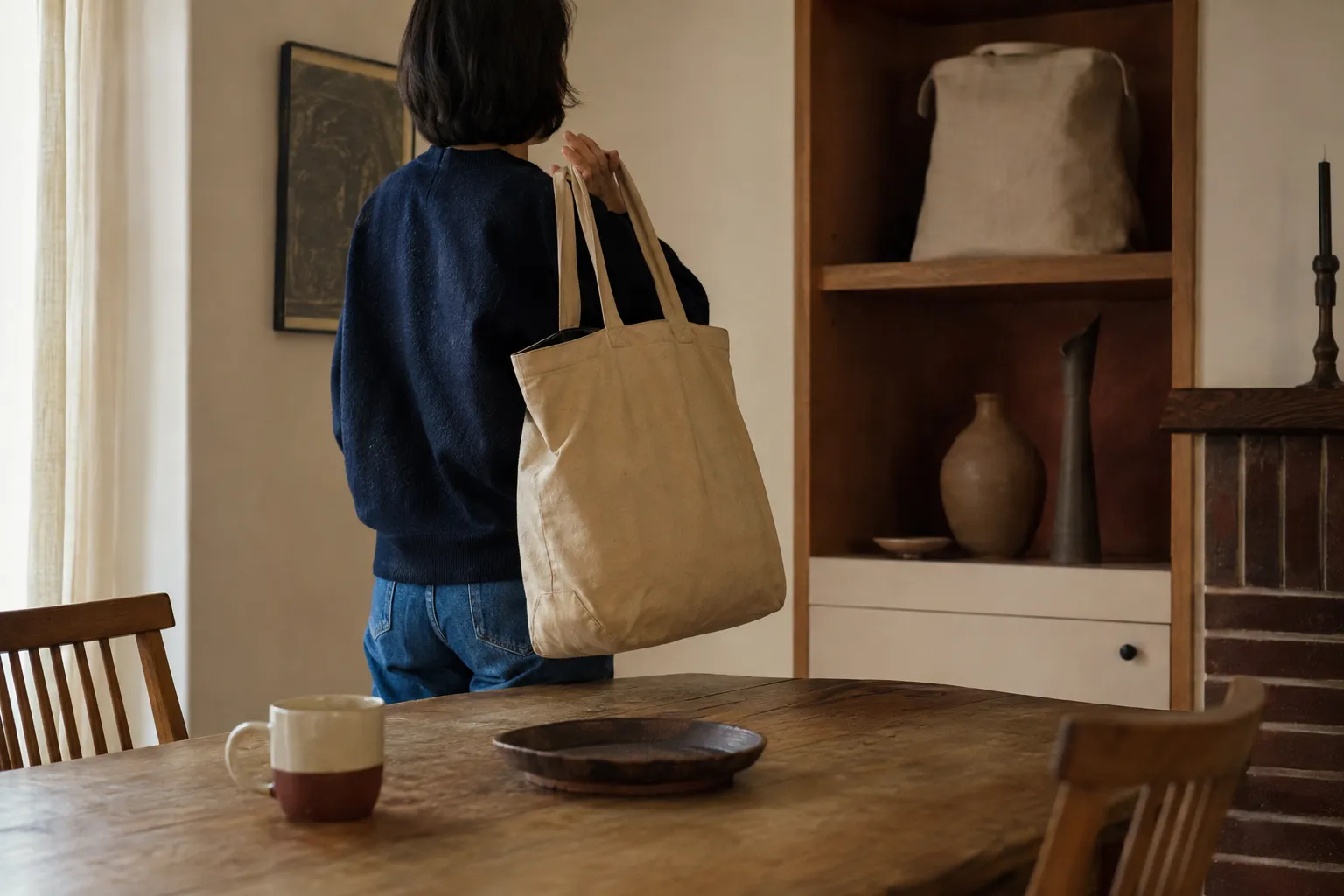
One interview describes a high-priced bag that is rarely taken out, because the owner always worries about bumps and stains; what most often accompanies the commute is, instead, a durable canvas bag. A high-end watch makes a person type more lightly and, without thinking, hold back the swing of the arm when walking. A solid-wood desk and chair bought for a child to study at, once marked by colored pens, became a source of tension at home.
These items are not necessarily a poor fit, and no one necessarily made the wrong choice. They show that even when function and appearance meet expectations, that still does not mean daily use will feel easy. When an item needs a high degree of protection, life sometimes begins to accommodate the object, rather than the object supporting life.
Invisible upkeep is often borne by the family together
Once an item enters the home, it needs at least a place, cleaning, and attention. Shared items also form rules: who may use them, what to do if they get dirty, and who handles them when they break. These matters usually do not appear at checkout, yet they appear every day afterward.
This is especially so in households with children, older people, or several people living together: upkeep is not one person’s job. If a table and chairs must not show any mark of use, the one who bears the pressure is not necessarily the buyer, but the child who sits there every day. Treating belongings as resources also means seeing whether they add unnecessary caregiving work for the family.
This does not mean that durable or well-loved items should never be bought. Pots, chairs, or containers that are used every day, sized right, and easy to maintain may in fact save people time. The point is not how precious an item looks, but whether it can be used without worry.
Unused items still occupy a life
Organizing visits have left different kinds of reminders. In one household, most skincare products had already expired two or three years earlier, and unopened fragrances had oxidized. Another had twenty or thirty boxes of assembly toys, some still unopened. Fifty umbrellas were cleared from a four-ping room; the notes mention that the homeowner remembered buying them, but did not remember which shelf each item was on.
These are individual organizing cases. Their causes are not the same, and they cannot be generalized to ordinary households. What they share is this: if an item never enters use, it is not merely sitting quietly. It takes up space, makes other things harder to find, and may lose its reusability once storage conditions change. When it finally has to be cleared away, the household still has to put in time and physical effort.
Delay the decision and let the real need surface
The source once mentioned a practice of dividing a monthly budget into four weeks: in the first week, buy nothing and only clean and take stock; in the second week, observe; in the third week, think; and only in the fourth week, decide. Its origin and year were not recorded, so it cannot be treated as a verified method. It does, however, offer a usable structure: leave some time between wanting to buy and actually buying.
This interval need not be used to scold oneself, nor to treat buying as a mistake. It can be used to ask a few practical questions: Does the household already have something with the same function? Where will it go? How will it be used and cared for each week or each month? When it is no longer needed, is there a path for passing it on? If the answers are not there, it may not be that the item cannot be bought, but that the household is not yet ready to let it in.
Experiences and belongings are not a moral either-or
Experiences are not without resource use, and belongings do not necessarily mean waste. Casting the two as good versus bad only adds another kind of pressure. What is more useful is to notice what already fills daily life: a constant sense that only buying something new can soothe you, or a habit of putting off the things you want to do, the people you want to see, and the rest you need, while bringing home more things that require upkeep?
Ten households that commissioned a professional organizer once had 580 bags of items cleared out, of which 219 bags were trash. This is an on-site total shaped by the scope of organizing, household circumstances, and how things were handled that day. It cannot stand for ordinary households, and it does not compare the results of different kinds of spending. It does remind us that an item’s story does not end on the day of purchase; storage, use, passing on, recycling, and final disposal still follow.
The next time you want to bring something home, you might ask first: will it give my life one more form of usable support, or one more task that has to be carefully guarded?
Source: Liao Hsin-yun’s Facebook page (content compiled and adapted)